

If your horse has just been diagnosed with Cushing's disease, your first question is probably the most practical one: what do I feed them now?
The good news is that diet is one of the most powerful tools you have for managing this condition — and small, consistent changes make a real difference to how your horse looks, feels, and holds up over the years. This guide walks you through exactly what to feed, what to avoid, and which nutrients genuinely support a horse with PPID.
What is Cushing's disease (PPID)?
"Cushing's disease" is the common name, but the correct term is PPID — Pituitary Pars Intermedia Dysfunction. It's a slow, progressive hormonal condition most often seen in older horses and ponies, caused by dysfunction in the pituitary gland at the base of the brain.
Common signs include:
- A long, curly coat that doesn't shed out properly (called hirsutism — the classic giveaway)
- Loss of muscle, especially over the topline
- A pot-bellied appearance
- Increased drinking and urination
- Recurring infections, or slow healing
- Laminitis — often the most serious risk
If you're seeing several of these in an older horse, ask your vet about testing.
Why diet matters more than most owners realize
Many horses with PPID also struggle with insulin dysregulation — their bodies don't handle sugar and starch well. That matters enormously, because high insulin is strongly linked to laminitis, the painful and potentially crippling hoof condition that is the number-one welfare concern in these horses.
That's why the cornerstone of feeding a PPID horse is simple to say and worth taking seriously: keep sugar and starch low, and keep your horse at a healthy weight.
The #1 rule: keep sugar and starch (NSC) low
NSC — non-structural carbohydrates — is the combined sugar and starch content of a feed. For most horses with PPID or insulin issues, the goal is to keep total dietary NSC below about 10–12%.
Here's how to get there:
- Test your hay. Hay is the biggest part of most horses' diets, and its sugar content varies wildly. A simple forage analysis tells you where you stand — you're not guessing.
- Soak your hay. Soaking hay for 30–60 minutes before feeding can reduce its sugar content by roughly 20–30%. Tip the water out afterward rather than leaving it in the bucket.
- Choose low-NSC hard feeds. Look for feeds specifically labeled low-sugar/low-starch, and be skeptical of anything sweet, molassed, or grain-heavy.
- Feed forage first, little and often. Small, frequent portions help avoid the peaks and troughs in blood sugar that a couple of big meals cause.
Nutrients that support a horse with PPID
Beyond controlling sugar and starch, certain nutrients help address the specific ways PPID affects the body — muscle loss, oxidative stress, and glucose handling.
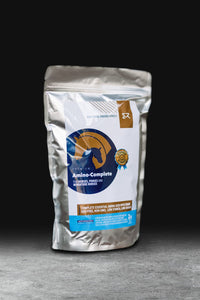
Quality protein and amino acids
PPID horses famously lose topline and muscle. Providing good-quality protein and the key building-block amino acids (like lysine and methionine) gives your horse the raw materials to hold onto muscle as they age.
Magnesium and chromium
These minerals are commonly included in diets for metabolic and insulin-resistant horses because of their role in supporting healthy glucose and insulin function.
Vitamin E and selenium
PPID is associated with increased oxidative stress. Antioxidants like natural vitamin E and selenium help the body cope — vitamin E is especially worth checking, since horses with little access to fresh green grass are often short on it.
Omega-3 fatty acids
Omega-3s (from sources like flax or fish oil) support a healthy inflammatory balance and are a useful, palatable calorie source for horses that need to gain condition without added sugar.
Digestive and hindgut support
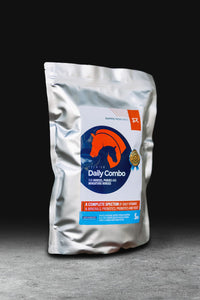
A healthy hindgut helps your horse actually absorb the nutrients in their diet — which matters even more when you're working to rebuild condition. Pre- and probiotics, digestive enzymes, and yeast support a stable, well-functioning gut.
A ready-made herbal formula for PPID horses
If you'd rather not assemble every piece above on your own, our bestselling Esprit RELIEF combines adaptogenic herbs into a single daily formula built specifically for horses showing signs of Cushing's and metabolic imbalance. Crucially, it's a naturally sugar- and starch-free blend — so it slots straight into the low-NSC diet we've described, rather than working against it.
Many owners feed it alongside the medication their vet prescribes to support healthy shedding, everyday vitality, and the reduction of abnormal fatty deposits that often come with metabolic horses.
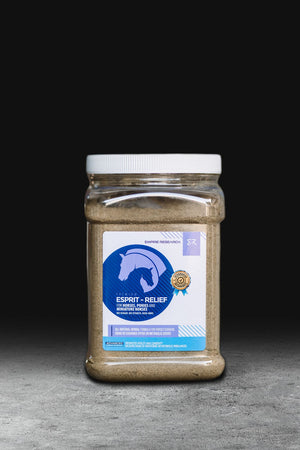
An all-natural, no-sugar, no-starch blend of adaptogenic herbs formulated for horses with Cushing's (PPID) and metabolic imbalances — supporting healthy shedding, reduced fatty deposits, and everyday vitality.
What to avoid
Just as important as what you add is what you take away:
- Sweet feed, molasses, and cereal grains — the biggest sources of hidden sugar and starch.
- High-sugar treats — apples, carrots, and commercial treats add up. Swap for a few low-sugar treats or a handful of your horse's regular low-NSC feed.
- Lush spring and autumn grass — sugar spikes in pasture are a common laminitis trigger. A grazing muzzle or restricted turnout may be needed during high-risk periods.
- Very high-fat diets in insulin-resistant horses — fat is a great calorie source, but in horses with insulin issues it should be introduced thoughtfully. Ask your vet or nutritionist.
A simple daily feeding plan
Every horse is different, but a typical framework looks like this:
- Forage as the foundation — tested (and soaked if needed) low-NSC hay, offered in small, frequent portions or via a slow-feeder net.
- A low-sugar, low-starch balancer or hard feed to fill vitamin and mineral gaps without adding sugar.
- Targeted supplements — protein/amino acids for topline, antioxidants, and digestive support, matched to your individual horse's needs.
- Fresh water and free-choice salt at all times.
Weigh your horse regularly (a weigh tape works) and body-condition score them monthly so you can adjust before problems appear.
Frequently asked questions
Can a horse with Cushing's eat grass?
What treats are safe for a Cushing's horse?
How much vitamin E does a PPID horse need?
Can diet reverse Cushing's disease?
The bottom line
Feeding a horse with Cushing's comes down to a few clear principles: keep sugar and starch low, keep your horse at a healthy weight, support their muscle and antioxidant needs, and look after the gut that absorbs it all. Get those right — with your vet in the loop — and you give your horse the best possible quality of life.
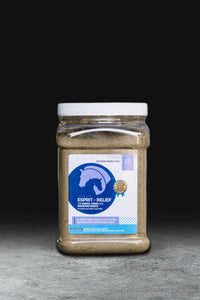
Give your PPID horse targeted support
Esprit RELIEF — our bestselling, sugar-free herbal formula made specifically for horses with Cushing's and metabolic issues.